A De-Americanized West vs. Russia: Are We Heading for War Over Ukraine?

1/3/2025 The world is standing at a precarious crossroads, where global security is increasingly treated like a corporate gamble. At the center of this shift is Donald Trump, whose return to power—should it materialize—promises a radically different approach to geopolitics. Unlike past U.S. presidents, who navigated international relations with at least a semblance of diplomacy, Trump’s business-driven mindset leads him to approach war and peace as though they were high-stakes corporate negotiations. This time, however, the stakes are nothing short of a potential third world war.
The Business of War: Trump’s Risky Bet
Trump has consistently framed his leadership style as that of a dealmaker rather than a statesman. His recent rhetoric on Ukraine, alongside his skepticism about NATO and his admiration for authoritarian figures, suggests that he sees global security as a marketplace where deals can be struck, profits maximized, and losses written off. His questioning of U.S. aid to Ukraine is not purely ideological—it’s part of his broader effort to prove to his supporters that he is a savvy businessman who refuses to tolerate financial inefficiency.
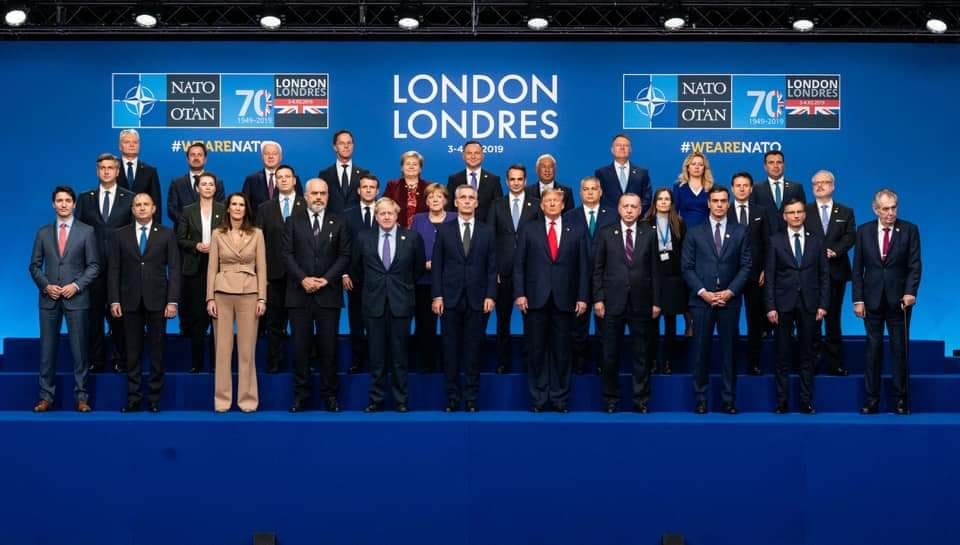
Central to his argument is the idea that the U.S. should no longer fund Ukraine’s defense without direct returns, especially when lucrative deals involving Ukraine’s mineral resources are at stake. His allies have suggested that any continued American support should come with guarantees that U.S. corporations will benefit from Ukraine’s vast deposits of lithium, nickel, and other critical minerals. This, combined with his push to investigate potential corruption in how Biden’s administration handled Ukraine funding, highlights his dual aim: discrediting his political rivals while proving his business acumen.
A Self-Inflicted Isolation?
Trump’s approach doesn’t stop at Ukraine. His plans to increase tariffs on European products signal a broader strategy to disengage from traditional alliances and redefine the U.S.’s economic relationships. His “America First” policies, designed to punish trading partners and extract better deals, could leave the U.S. increasingly isolated, just as global power shifts toward the East.
Meanwhile, China, now the world’s only true superpower with significant financial liquidity, is watching closely. While the U.S. grapples with economic turbulence and a debt crisis, China remains largely free from similar financial constraints, allowing it to wield unmatched economic influence. Should Trump’s policies push Europe, Ukraine, and even other U.S. allies toward stronger financial ties with China, America risks ceding global leadership not through war, but through economic miscalculation.
Is Such a Risk Worth It?
If this were merely a corporate strategy, some would argue that such bold risk-taking makes sense. After all, companies routinely engage in high-risk, high-reward maneuvers, cutting losses where necessary and restructuring for efficiency. But international politics is not a boardroom, and world leaders are not CEOs. Unlike corporations, nations cannot declare bankruptcy and restart; their decisions carry consequences measured in lives, not just financial statements.
Trump’s pursuit of power through business-style diplomacy may impress his supporters, but it raises a fundamental question: Is the U.S. ready to sacrifice long-term global stability for the sake of short-term political and economic leverage? If history has taught us anything, it’s that reckless gambles on the international stage rarely pay off in the long run.
Europe’s Dilemma: A U-Turn or Full-Blown War?
As Trump pulls the U.S. away from Ukraine, Europe is left with two choices: either make a U-turn on its policies and reduce support for Ukraine, or escalate the conflict into a full-blown war. The first option would mean a de facto Russian victory, leading to further insecurity in Eastern Europe and potentially emboldening other revisionist powers. The second option—continuing military support, perhaps even beyond current limits—could push Europe into a direct confrontation with Russia, something it has so far desperately sought to avoid.
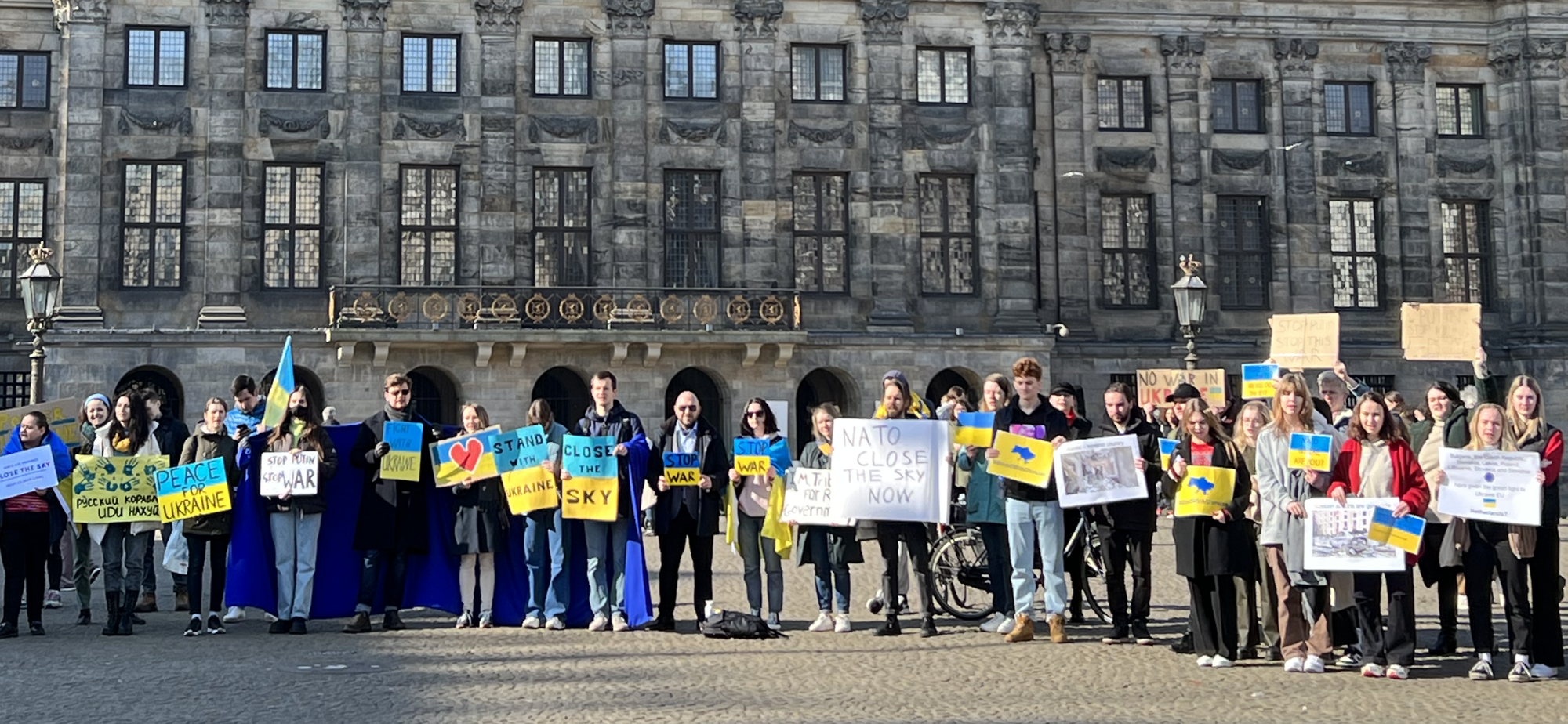
Yet, if Trump turns his back on NATO, European nations might have no choice but to build an independent security framework. A NATO without the U.S. is no longer unthinkable; neither is a United Nations where Europe and other Western countries form a new alliance, excluding an isolationist America. If such a transformation occurs, the balance of power will shift dramatically, marking the true beginning of a “de-Americanized” West.
Europe must decide quickly: will it forge its own path in global security, or will it wait for the next American election cycle in the hope that U.S. leadership re-engages with its traditional allies? Either way, the decisions made today will shape the future of global power dynamics for decades to come.