Living inside sound
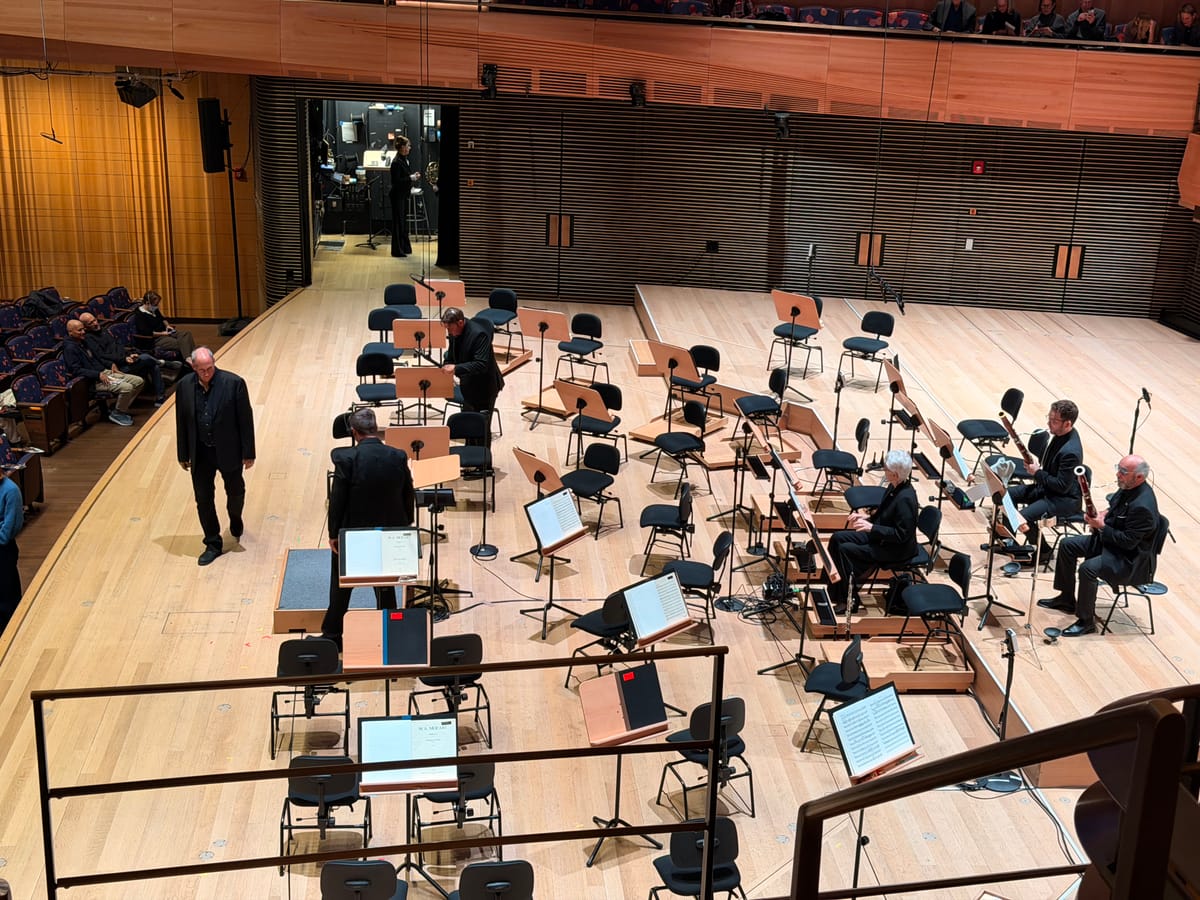
By Miltiadis Gkouzouris
There are people who listen to music.
And then there are people who live inside it.
I belong to the latter.
As long as I can remember, every sound has had weight, position, and character. I don’t simply hear a melody; I hear the individual notes that compose it, as if each one lights up separately in my mind. I can isolate the instruments within a song, mentally pulling the violin out of the orchestra, setting the piano aside for a moment, focusing on the breath of a wind instrument between phrases. Music doesn’t reach me as a single whole: it arrives as a multilayered structure.
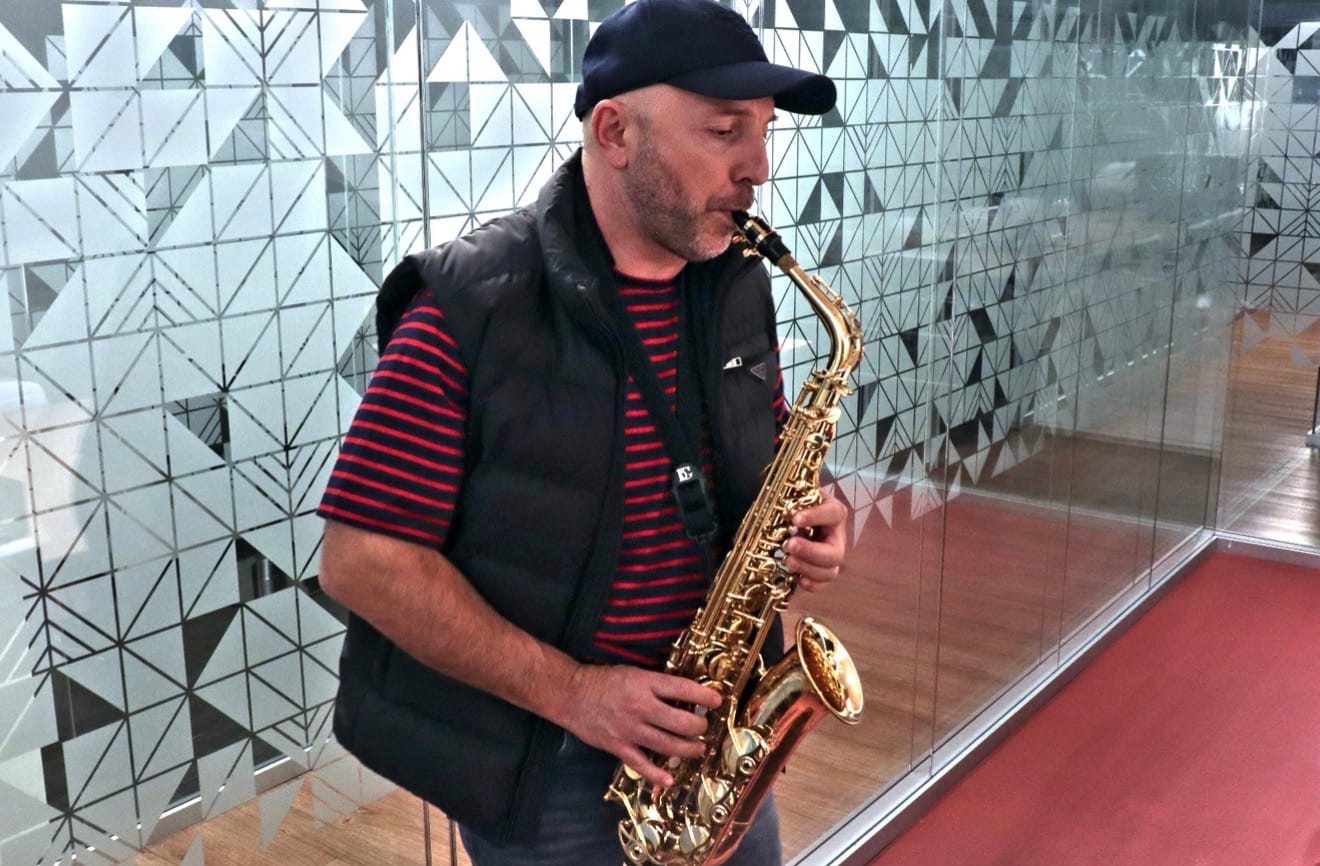
What is often called a “musical ear,” or absolute/relative pitch, is not, at least for me, a performative talent. It’s a way of perceiving. I can hear a melody and reproduce it on almost any musical instrument, even one I barely know, without thinking in terms of notes, names, or theory. Sound itself becomes a map. My fingers simply follow.
Perhaps the biggest difference between the way I hear music and the way the average listener does lies in how I perceive intention. When listening to a classical performance, I can often tell which piece the performer loves most. Not from speed or technical precision, but from the warmth that emerges. From how a note is held just a fraction longer, from the breath before a phrase, from a slight deviation that isn’t a mistake but an emotion. At that moment, music stops being notation and becomes confession.
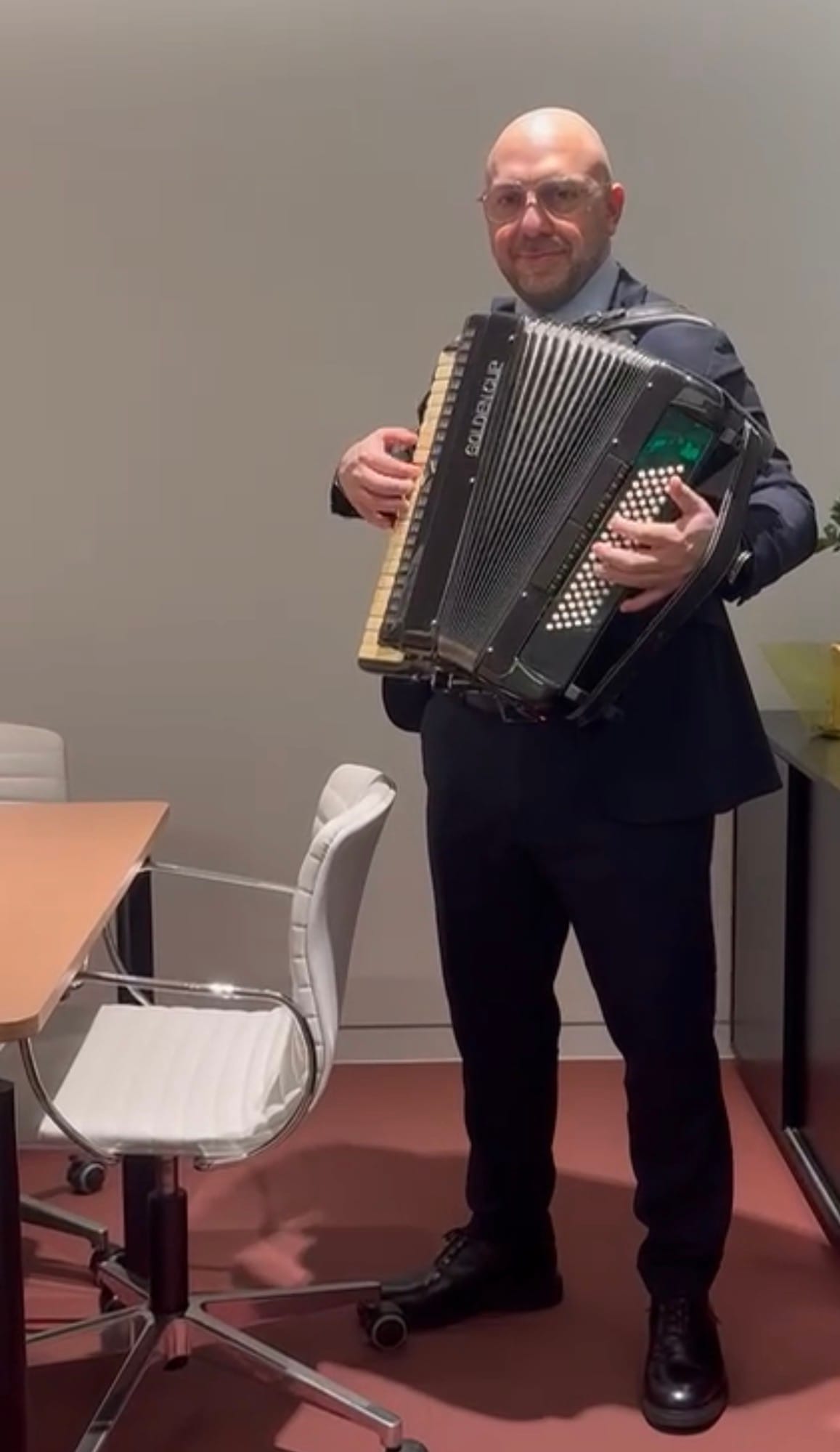
At the same time, I play various musical instruments without knowing musical notation at all in the conventional sense. On the piano, for instance, I have identified scales that according to a trained pianist fall outside the traditional c-d-e-f-g-a-b-c/ do–re–mi–fa–sol–la–si–do framework. The way I made that distinction had nothing to do with theory. It was based entirely on the perceived acoustic warmth of the notes. There is a point where sound becomes fuller, warmer, more resonant and another point where it begins to cool. For me, that is where the scale changes.
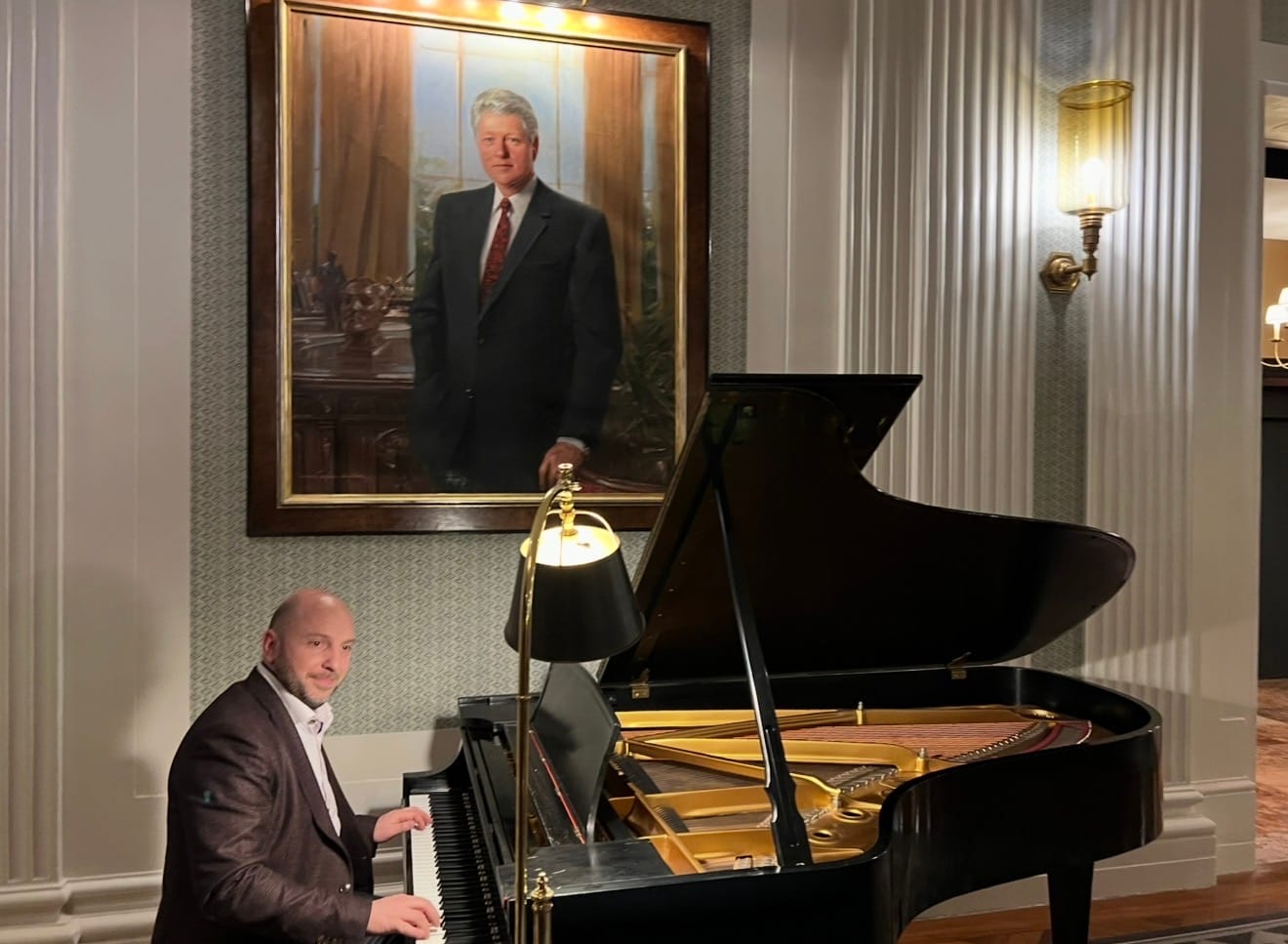
What makes this even more intriguing is that this observation is not fixed. It shifts depending on the instrument. Two different pianos, for example, may show slight variations in where this change in “temperature” occurs. As if each instrument has its own personality, its own internal geography.
This experience is not unique. In writings and testimonies by others with a highly developed musical ear (e.g. Oliver Sacks) similar descriptions appear again and again: music is not perceived as an abstract system, but as a sensory experience with color, weight, and even spatial dimension. Some describe colors attached to notes (a form of synesthesia), others speak of emotional intensities that precede conscious thought. The common thread is this: music comes before language.
I don’t know whether this way of hearing is a privilege or a burden. I only know that I cannot listen to music passively. Every sound demands attention. Every melody asks for dialogue. And perhaps that is the most demanding aspect of having a “musical ear”:
it never allows you to remain just a listener.