The Green Delusion: When Common Sense Loses Ground to Hysteria
Why our obsession with electric vehicles and wind turbines is doing more harm than good
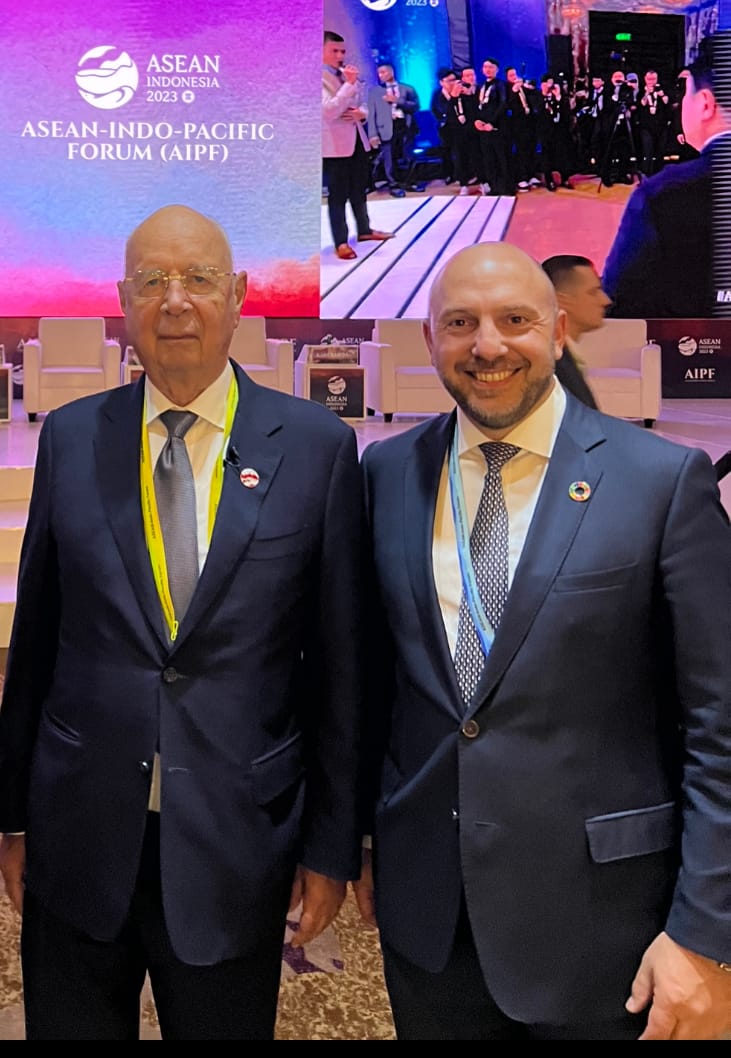
I’ve just returned from the ASEAN summit in Jakarta, and as I sat through the presentations and panel discussions, I couldn’t help but wonder: am I the only one questioning the mass hysteria surrounding electric vehicles and wind turbines?
The concept has never made sense to me — not as a long-term solution, not as a climate-friendly alternative, and certainly not as a sustainable investment. We are in dire need of solutions that genuinely combat climate change, but this… this isn’t it.
No matter the forum — be it an investment summit, a government roundtable, or a corporate think tank — there’s always some obligatory nod to wind farms and the electrification of all vehicles. And yet, there’s deafening silence when it comes to more feasible, impactful, and scalable approaches. It’s as if the entire world has latched onto a half-baked idea and refuses to let go.
Time and again, I’ve watched as high-ranking government officials and CEOs wax lyrical about the utopian promise of electric cars and offshore wind parks, painting them as saviors of the climate. I’ve seen governments and banks pour staggering sums into these ventures — often without so much as questioning their long-term viability. Of course, many stakeholders are raking in profits so large that the digits can barely fit on their bank statements, which likely explains the blind enthusiasm.
But the facts are stubborn things. The steel and lithium required for hundreds of millions of EVs and wind turbines come at a heavy environmental price. Their production releases billions of tons of carbon dioxide — the very thing we’re supposedly trying to curb. Add to that their short lifecycles (barely 15–20 years), and we’re staring down the barrel of a future littered with dead batteries, broken turbines, and disillusioned consumers.
Yet, in these grand gatherings of minds and money, no one dares bring these issues to the table. The logistical failures, the environmental contradictions, the consumer frustration — all swept neatly under the rug.
Take Indonesia, for instance — a vibrant, beautiful country with enormous potential. It currently loses around $20 billion annually due to stunting in children, a condition largely caused by malnutrition. Providing milk is a well-documented, proven solution — yet rather than strengthen its own dairy sector, Indonesia appears to be hitching its hopes on foreign EV and battery manufacturers. That was, to put it mildly, disconcerting.
Over the past decade, I’ve been waiting for some kind of reckoning — a moment when taxpayers say, “Enough!” as their money is funneled into renewable illusions while farmers go under and malnourished children go unheard. Climate change is here, and it’s hitting hardest where it hurts: in shifting rain patterns, failed crops, and lost livelihoods. And yet somehow, building more Teslas is supposed to feed the world?
This fixation with EVs and wind turbines as the magical cure to climate disaster is more than misguided — it’s a form of collective delusion. A fantasy that we can save the planet and get rich at the same time, without doing the hard work of structural change. But the opposite is unfolding before our eyes.
What troubles me most is how we’ve begun to vilify truly beneficial industries. Large-scale agriculture, for instance, is often demonized for its fossil fuel dependency. Fair enough — but lately, even dairy farming is being blacklisted by institutional investors for emitting methane. I’m no methane apologist, but the reality is sobering: 150 million children suffer from malnutrition and stunting today, and milk is one of the few accessible solutions that actually works.
Suggest investing in dairy, and you’re met with raised eyebrows. Suggest investing in beer production, and the same organizations respond with enthusiasm. One government-backed investment body even told me outright that while they were excited to fund beer in developing nations, dairy was a hard “no.” I’m not sure who’s writing the global development playbook these days, but I’d be surprised if it says “more beer, less milk” anywhere in the Sustainable Development Goals.
Perhaps we’re entering a phase of human evolution where common sense is considered obsolete. I hope not. Because while this industry-wide psychosis rages on, there are still brilliant minds and bold companies pursuing real solutions — from Shell’s hydrogen production to Rolls Royce’s modular nuclear reactors. These are initiatives I believe in, with measurable impact and long-term vision.
In the meantime, I suppose I’ll have to put on a brave face, raise a glass, and toast to feeding undernourished children — with beer.